
Posted: May 4, 2026 | Land Management
When people hear the word “fire” in forestry, it usually comes with a negative reaction. But in the right hands, under the right conditions, fire is actually one of the most effective tools landowners have for improving and maintaining healthy forests.
In North Carolina, prescribed burning has been used for decades as a controlled, intentional way to manage land. It’s not about destruction. It’s about control, balance, and long-term results.
For many properties, it can be one of the most valuable management practices available.
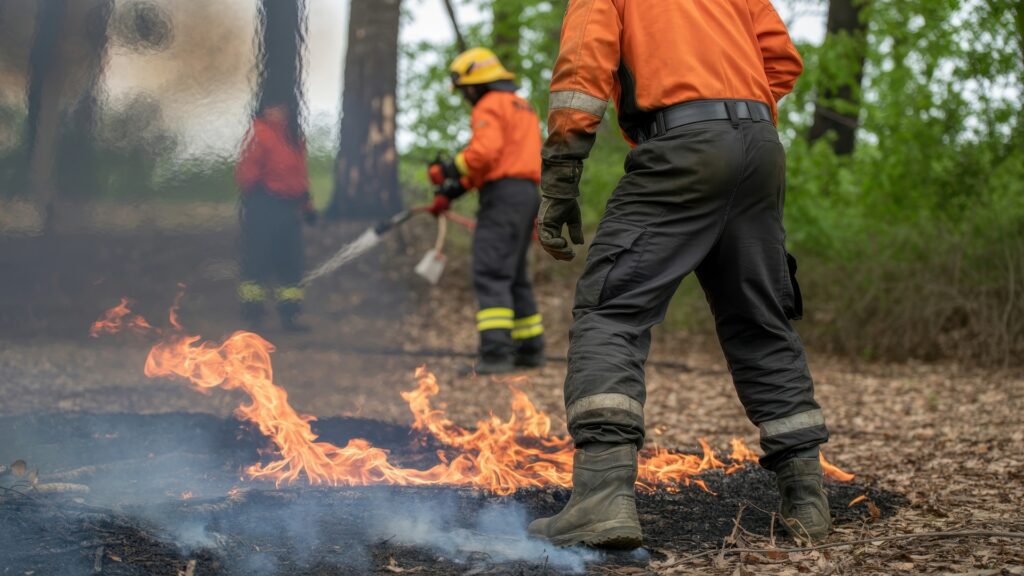
Prescribed burning, sometimes called controlled burning, is the planned use of fire under specific weather and site conditions to achieve a desired outcome.
Unlike wildfires, these burns are carefully designed and executed by trained professionals. Every detail is considered, including:
The goal is not to burn everything. It’s to remove excess vegetation and reset the forest floor in a controlled way.
Prescribed burning plays a key role in managing forestland across the Southeast, especially in pine-dominated systems.
Over time, understory vegetation like brush, small hardwoods, and invasive species can take over a forest floor. This creates competition for sunlight, water, and nutrients.
A prescribed burn clears out that competition, giving desirable trees more room to grow.
Many wildlife species benefit from the open, diverse conditions created by fire. Prescribed burning encourages the growth of native grasses and plants that provide food and cover for animals.
For landowners interested in hunting or conservation, this is a major benefit.
Fire helps recycle nutrients back into the soil and reduces the buildup of organic debris. This creates a healthier environment for trees and promotes more uniform growth across a stand.
In certain forest types, especially longleaf pine, fire isn’t just helpful, it’s essential.
Not every property requires prescribed fire, but many do benefit from it.
It’s commonly used in:
The key is matching the practice to the property’s goals and conditions.
Like most things in forestry, timing is everything.
Prescribed burns are typically conducted during specific seasons when conditions are safest and most effective. In North Carolina, that often means late winter or early spring, though timing can vary depending on objectives.
Planning a burn requires coordination, permitting, and experience. It’s not something that should be done casually or without proper guidance.
Executing a prescribed burn safely and effectively requires expertise.
A consulting forester can help determine:
They also ensure that all regulations and safety standards are followed throughout the process.
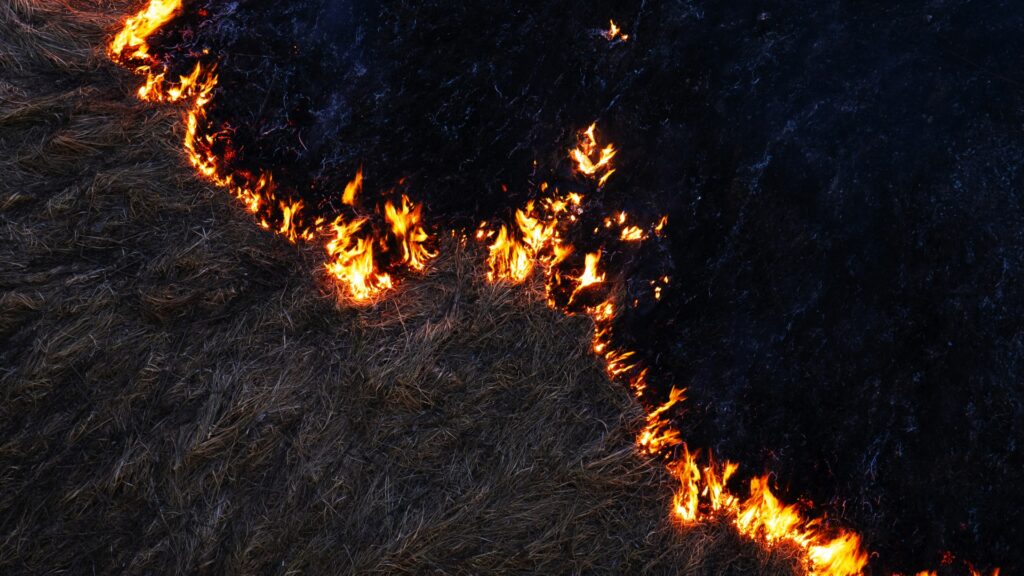
Prescribed burning isn’t a one-time fix. It’s part of an ongoing management strategy.
Many landowners incorporate fire into a rotation, burning every few years to maintain the benefits over time. When done correctly, it becomes a reliable, repeatable tool that supports long-term land goals.
Prescribed fire has been part of Southern forestry for generations, and for good reason. It’s a practical, effective way to manage vegetation, support wildlife, and improve overall forest health.
For North Carolina landowners, it’s not just an option worth considering. In many cases, it’s one of the best tools available for getting the most out of your land.