
Posted: September 29, 2026 | Forestry Economics
Timber Basis 101: How to Lower Your Tax Bill When You Sell NC Timber
Timber basis is the value of the standing timber on your property when you acquired the land. It is separate from the value of the land itself. When you sell timber, you can use your basis to reduce the taxable gain through a process called depletion.
Landowners who fail to establish a timber basis may pay tax on more of the sale proceeds than necessary. In some cases, that mistake can cost thousands of dollars.
If you have read our guides about timber sales, you already know the basic process. A forester cruises the timber, buyers submit bids, you sign a contract, and the harvest begins.
Taxes often become part of the conversation months later. Your accountant may ask for your timber basis, and many landowners realize they have never calculated it. Establishing that number can make a major difference when you sell timber in North Carolina.
Your timber basis represents the value of the standing timber on your property. It does not include the value of the bare land beneath it.
Think of timber basis like the cost basis of a stock or rental property. When you sell the asset, you usually pay tax on the gain above your basis. You do not simply treat the entire sale price as profit.
Many landowners know what they paid for their property but never divide that amount between land and timber. That can create problems when they sell the timber years later.
Proper records help your tax professional calculate the depletion deduction. That deduction allows you to recover part of your investment before calculating your taxable gain.
The way you acquired the property affects how you calculate your timber basis. A purchase, inheritance, and gift can each follow different tax rules.
If you purchased the property, you generally divide your purchase price between the land and standing timber. You base that split on their fair market values when you bought the property.
A timber cruise can help with this process. A forester can estimate the amount, type, and value of timber on the property. That information can help an appraiser or tax professional support the allocation.
It is usually easier to establish this value close to the purchase date. Good records can also make future timber sales much easier to document.
Inherited property generally receives a new basis based on fair market value at the previous owner’s date of death. That rule can create a valuable tax benefit for heirs.
The timber should receive its own value as part of that process. However, many estates never separate the timber value from the land value.
If you inherited forestland years ago, you may still have options. A forester, appraiser, and tax professional may be able to reconstruct the timber value from that time.
Estate records, historical timber prices, old inventories, and property records can all help support the calculation.
Gifted property usually follows different rules. In many cases, your basis carries over from the donor’s adjusted basis.
Other rules may apply based on the property’s fair market value and whether the donor paid gift tax. Because these situations can become complicated, talk with a tax professional before making assumptions about your basis.
Timber owners recover their basis through a process called depletion. Depletion accounts for the portion of the timber asset that leaves the property during a harvest.
Here is a simple example.
Suppose your timber basis is $150,000. A timber cruise shows that you have 20,000 tons of merchantable timber. That gives you a depletion rate of $7.50 per ton.
You then sell 5,000 tons during a harvest. The depletion tied to that timber would equal $37,500.
If the timber sale generated $125,000, you would use the $37,500 basis recovery when calculating the gain from the sale. That can reduce the amount of income subject to tax.
Without a documented basis, you may lose the chance to recover part of your investment before calculating the taxable gain.
Some timber sales may qualify for long-term capital gains treatment under Internal Revenue Code Section 631. Capital gains treatment can provide a better tax result than ordinary income treatment in some situations.
The exact result depends on several factors. These include how you own the timber, how long you have owned it, and how you structure the sale.
Landowners who cut their own timber or use timber in a trade or business may face different rules. Section 631(a), for example, can apply in some of those situations.
Because timber tax rules depend on the details of the transaction, work with a tax professional who understands timber sales.
Reforestation may also provide federal tax benefits after a timber harvest.
Federal tax law may allow landowners to deduct up to $10,000 per year in qualifying reforestation costs. These costs can include site preparation, seedlings, and planting labor.
Landowners may also be able to amortize qualifying costs above that limit over an 84-month period under Section 194.
These incentives can work alongside your timber basis and depletion deduction. Together, they may reduce the tax impact of a timber sale while helping you invest in the next generation of forest.
Many landowners have owned timberland for years without ever calculating a timber basis. The same problem often affects inherited land.
That does not always mean the opportunity is gone.
A forester, appraiser, and tax professional may be able to reconstruct a reasonable historical timber value. They can review old purchase documents, estate records, timber prices, property records, and current inventory data.
The goal is to create enough documentation to support the value used in the tax calculation.
Do this work before you sign a timber contract whenever possible. It becomes much easier to address tax questions before the harvest begins than after the sale proceeds arrive.
Not always. The answer depends on how you own the timber and how you structure the sale. It also depends on whether the timber activity forms part of a trade or business.
Timber income that qualifies for capital gains treatment may receive different treatment than ordinary business income. A CPA or qualified tax professional can review your specific sale.
Section 631(a) generally applies when an owner cuts timber for sale or uses it in a trade or business. The owner must also meet the required rules and make the proper election.
Section 631(b) can apply to certain timber disposals where the owner keeps an economic interest in the timber. A qualifying pay-as-cut contract is one common example.
A lump-sum sale may receive different treatment. The contract terms and sale structure matter, so review them with your tax professional before the harvest.
Start by gathering your records. Look for purchase documents, estate paperwork, appraisals, timber inventories, surveys, and historical property information.
A consulting forester or qualified appraiser may help estimate the timber’s historical value. Your CPA can then determine how that value applies to your tax situation.
No. North Carolina’s Present-Use Value program affects how qualifying property receives state and local property tax treatment.
Timber basis serves a different purpose. It is a federal income tax concept that helps determine the gain or loss from a timber transaction.
A property owner may deal with both programs, but one does not replace the other.
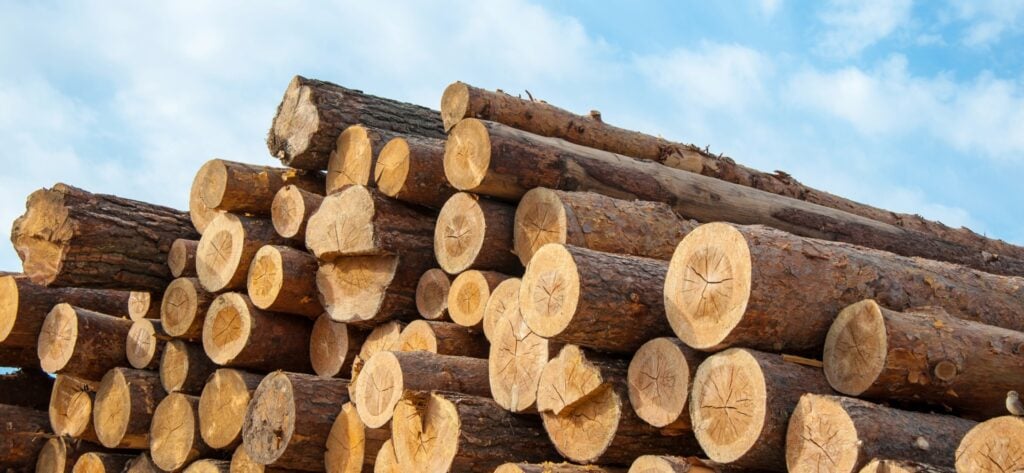
A timber cruise does more than estimate the value of your timber. It also provides inventory data that can help tax and appraisal professionals establish or confirm your timber basis.
If you plan to harvest timber within the next year, start the conversation before you sign a contract. The same advice applies if you inherited forestland and have never had the timber evaluated.
Carolina Forestry & Realty can help you understand the timber on your property, estimate its value, and gather the information you may need before a sale.
Knowing what you own before you sell can help you make better decisions about the harvest, the contract, and the taxes that follow.