
Posted: October 7, 2026 | Forestry Education
Replanting after a timber harvest in NC usually starts months before the first seedling goes into the ground. Most containerized pine seedlings are planted from late fall through early spring, while bare root seedlings are typically planted from January through March. Landowners should order seedlings early, prepare the site before planting season, and determine whether they qualify for forestry cost-share assistance.
North Carolina landowners may also qualify for the Forest Development Program, which can help reimburse part of the cost of site preparation, seedlings, planting, and other approved forestry practices.
Once the logging crew leaves and the timber check clears, it can be tempting to let the cutover sit. But the decisions you make during the first year after harvest can shape the productivity and value of that land for the next 25 to 35 years.
If timber production remains one of your goals, replanting on schedule can mean the difference between a productive new stand and years of competing sweetgum, briars, hardwood sprouts, and lost growth.
Most private North Carolina landowners do not automatically have to replant after a timber harvest. Depending on your goals and property, you may allow the site to regenerate naturally, plant another timber stand, convert the property to another use, or manage it for wildlife.
However, requirements may apply if you received forestry cost-share funding, entered into a conservation agreement, or participate in another program that requires continued forest management. Review those agreements before deciding what to do with the property.
Whether you should replant is a different question.
If you want to grow another commercial timber stand, planting improved seedlings often gives you more control than relying entirely on natural regeneration. Naturally regenerated pine can return unevenly, with dense patches in some areas and poor stocking in others. Competing hardwoods can also establish quickly on an open site.
Planting gives your forester greater control over spacing, genetics, stocking levels, and the long-term management schedule.
If your property qualifies for North Carolina Present-Use Value as forestland, you are expected to manage it according to an approved forest management plan. Leaving a harvested property unmanaged for an extended period could affect whether the property continues to meet program requirements.
Learn more in our guide to lowering property taxes on forestland in North Carolina.
The best time for replanting after a timber harvest in NC generally falls between late fall and early spring, when seedlings are dormant and weather conditions give young trees a better chance to establish roots before summer.
The N.C. Forest Service begins distributing bare root seedlings in January and generally continues through March. Containerized seedlings can become available earlier in the fall, which can extend the planting season.
A typical reforestation schedule after a summer or fall timber harvest may look like this:
If logging finished late in the year, you do not necessarily need to rush seedlings into the ground immediately. Waiting until the next appropriate planting season can provide additional time for proper site preparation.
The N.C. Forest Service Nursery Program begins taking seedling orders on the first business day of July. Popular genetically improved pine stock can sell quickly, so landowners planning a winter planting should not wait until planting season to begin looking for seedlings.
You can check availability and purchase N.C. Forest Service seedlings through BuyNCtrees.com. Private forestry nurseries also offer improved pine seedlings.
Your consulting forester can help determine the right species, genetics, planting density, and nursery source for your particular tract.
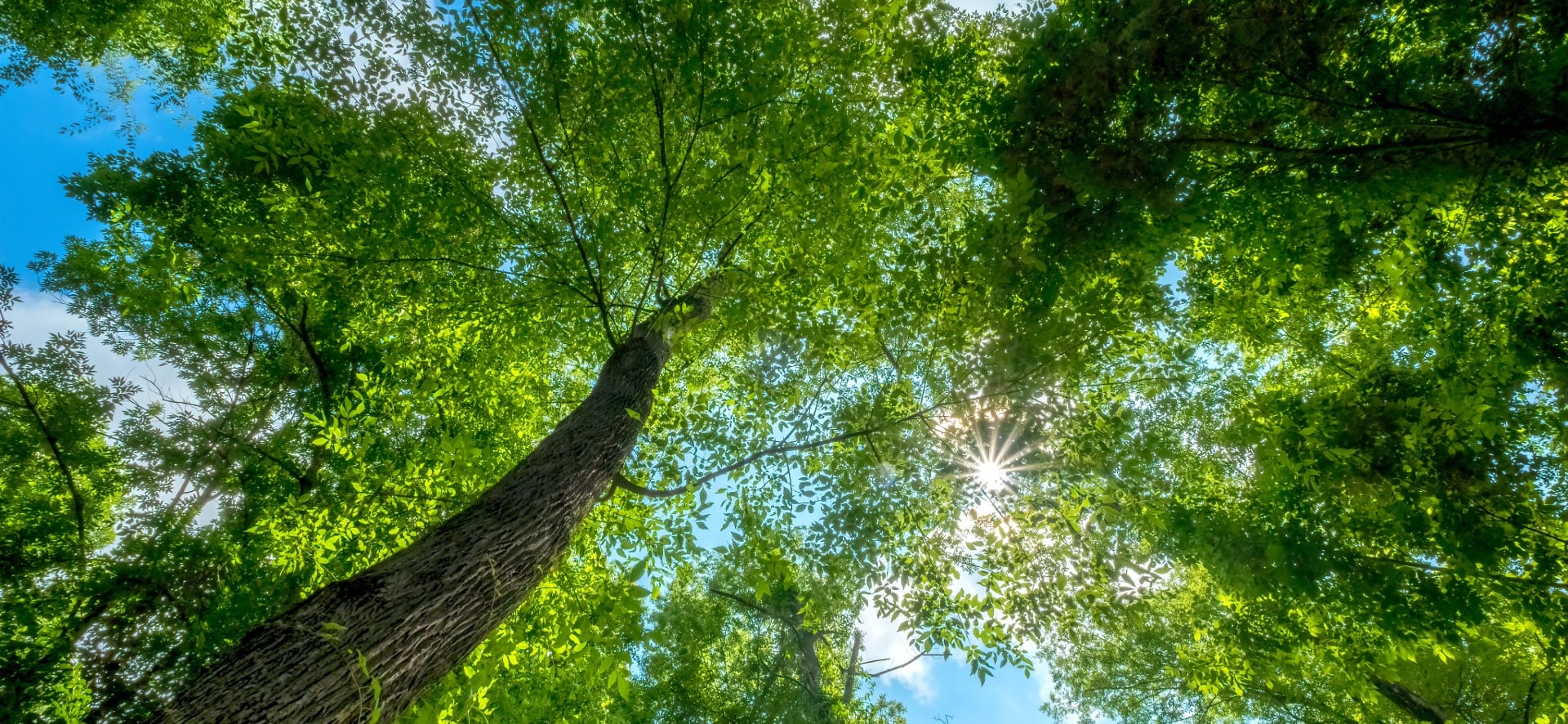
The right species depends on your soils, drainage, location, management goals, and expected future use of the property.
For timber-focused landowners across much of North Carolina’s Piedmont and Coastal Plain, the decision often includes loblolly pine or longleaf pine.
Hardwoods, shortleaf pine, and other species may make more sense on specific sites, particularly along streams, bottomlands, mountain properties, or areas managed heavily for wildlife.
Explore more forest management topics in our forestry education resources.
Genetically improved seedlings can provide better growth, form, straightness, and other desirable characteristics compared with unimproved planting stock.
Those advantages can add up over an entire rotation. Better-performing trees may improve future sawtimber potential while reducing the number of poorly formed or lower-value trees in the stand.
There is no single per-acre price for replanting timberland. Costs depend on the tract, acreage, site condition, species, seedling type, contractor availability, and how much work the site needs before planting.
The major expenses usually include:
A relatively clean tract may cost considerably less to establish than a cutover filled with heavy logging debris and vigorous hardwood competition.
A consulting forester can evaluate the property and build a realistic reforestation budget based on what the tract actually needs rather than relying on a generic statewide estimate.
North Carolina’s Forest Development Program, commonly called FDP, helps private landowners pay for approved forest management and reforestation work.
The program has supported forest establishment and improvement in North Carolina for decades and can help with several practices associated with replanting after a timber harvest.
Depending on the practice and current program rules, eligible work may include:
Historically, standard FDP practices have received cost-share assistance of about 40%, while certain longleaf pine, hardwood, and wetland restoration practices have qualified for higher reimbursement rates.
The exact available practices, prevailing rates, funding levels, enrollment periods, and eligibility rules can change. Because funding is limited, landowners should speak with their consulting forester or local N.C. Forest Service office before beginning work.
FDP assistance requires an approved forest management plan for the eligible property. The proposed forestry practices must fit that plan and meet program standards.
A consulting forester can help you develop the management plan, choose appropriate practices, prepare the necessary cost-share paperwork, coordinate contractors, and make sure completed work meets program requirements.
Do not assume you can complete the work first and apply afterward. Cost-share programs have specific approval procedures, so discuss funding before starting the project.
Federal tax rules may also help reduce the cost of establishing a new timber stand.
For each qualified timber property, eligible taxpayers can generally elect to deduct up to $10,000 of qualifying reforestation expenses during the year those expenses are paid or incurred. Qualifying expenses above the current deduction can generally be amortized over 84 months.
Qualifying reforestation expenses can include costs such as:
The IRS explains these rules in Publication 225, Farmer’s Tax Guide.
Government cost-share payments can affect the tax treatment of reforestation expenses, so keep detailed records and talk with a CPA or tax professional who understands timber taxation before filing.
If you recently sold timber, also read our guide to timber basis in North Carolina. Establishing and maintaining proper forestry records can make a major difference when calculating taxable timber income later.
Putting seedlings in the ground does not finish the job. The first several growing seasons can determine whether your new stand gets ahead of competing vegetation or struggles to establish itself.
Inspect the stand after its first growing season. Your forester can estimate survival rates and determine whether isolated areas need supplemental planting.
Grass, weeds, briars, and hardwood sprouts compete with young pine seedlings for sunlight, nutrients, and water.
When competition becomes heavy, properly timed herbaceous weed control or a release treatment can give planted seedlings a significant advantage.
Your first thinning may still be years away, but the decisions you make now affect when that thinning becomes possible.
Species, genetics, stocking density, soil productivity, competition control, and overall management all influence the growth of the stand. A good forest management plan should establish long-term goals rather than treating planting as a one-time project.
Many landowners replant during the first appropriate planting season after completing site preparation. In some situations, planting during the following winter makes more sense. Waiting several years can allow competing vegetation to become established and may make the site more expensive to prepare.
Yes. Natural regeneration can work well on certain sites, particularly when sufficient seed sources remain. However, natural regeneration offers less control over stocking, spacing, species composition, and genetics than planting.
The Forest Development Program requires an approved forest management plan. A consulting forester can prepare or update the plan, assist with the application, recommend appropriate practices, and oversee the reforestation work.
Eligibility and program requirements can change. Contact your consulting forester or local N.C. Forest Service office to confirm whether your property and proposed work qualify under current FDP rules.
Neither species is automatically right for every property. Loblolly often provides faster early growth on suitable sites, while longleaf can offer excellent wildlife habitat, valuable timber products, and advantages on sites managed with prescribed fire. Soil conditions, location, management goals, and economics should determine the choice.
A timber harvest gives you an opportunity to reset the property and establish the next generation of forest.
The best results come from planning reforestation before planting season arrives. That means evaluating the site, preparing the ground, choosing the right species and genetics, ordering seedlings, exploring cost-share opportunities, and developing a plan for the first several years of stand management.
Carolina Forestry & Realty helps landowners across North Carolina and Virginia develop forest management plans, navigate forestry cost-share programs, coordinate site preparation, select seedlings, and manage reforestation projects from harvest through establishment.
Contact Carolina Forestry & Realty to start planning your property before the next planting season gets away from you.