
Posted: January 19, 2026 | Forestry Education
This is one of the most important questions to ask when buying rural land—especially if public sewer isn’t available. The short answer? You don’t truly know for sure until the county signs off on it. And that’s exactly why this topic deserves some attention before you move forward with a purchase.
If the county’s Environmental Health Department has already evaluated the property and approved a specific location for a septic system, that’s great news. It means soil conditions, drainage, setbacks, and other factors have been reviewed, and the property has cleared a major hurdle for residential use.
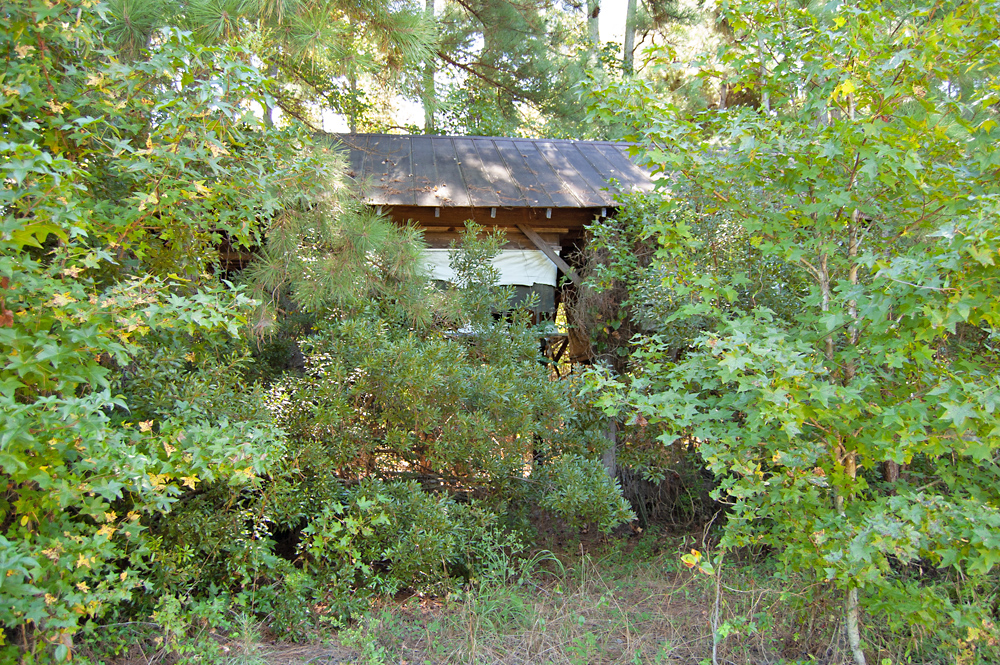
But many tracts of land—especially larger rural or wooded parcels—have never been evaluated for septic at all. In those cases, there is no guarantee that the land will support a conventional or alternative septic system. Even properties that look “perfect” on the surface can fail due to soil composition, high water tables, slope, or restrictive layers below ground.
Without an approved septic site, a property may not be buildable for a home. Septic suitability directly affects:
Failing to address this early can turn an exciting purchase into an expensive problem.
If a septic system has not already been approved, we strongly recommend making septic approval a contingency in your offer to purchase. This means:
This contingency gives you peace of mind and ensures the property can actually be used the way you intend—whether that’s building a home now or holding it for the future.
A lot of buyers assume that if nearby properties have septic systems, theirs will work too. Unfortunately, that’s not always true. Septic approval is site-specific, not neighborhood-wide. Two properties side by side can have very different soil conditions.
Unless a county-approved septic site already exists, never assume a tract of land is suitable for a septic system. Build protection into your offer and let the proper evaluation happen before you finalize the transaction. It’s a simple step that can save you time, money, and a lot of frustration down the road.
If you’re looking at land and aren’t sure what questions to ask—or how to structure an offer that protects you—this is exactly where having the right guidance makes all the difference.