
Posted: September 1, 2025 | Forestry Education
Over the past five years, North Carolina has welcomed a wave of new residents and businesses. Nearly 4.2 million households and businesses changed their address to the Tar Heel State—and for good reason. With the Blue Ridge Mountains to the west, sandy beaches to the east, and vibrant communities in between, North Carolina offers a rare mix of natural beauty and opportunity.
If you’re one of the many newcomers settling into a home here, you’ve likely noticed how deeply tied our landscapes are to forestry and land management. From native pine stands that provide mulch for your flowerbeds to the hardwood forests that frame our neighborhoods, forestry plays a central role in shaping how we live outdoors. Below are some landscaping tips—grounded in local forestry knowledge—that will help you create an attractive, low-maintenance, and environmentally responsible yard in North Carolina.
North Carolina’s climate is diverse but largely falls under the humid subtropical category, with hot summers and mild winters in the Piedmont and Coastal Plain, and cooler, more variable conditions in the mountains. Understanding this seasonality will help you plan a landscape that thrives year-round.
Foresters use these same seasonal cycles to plan harvests, planting schedules, and forest management projects—your home landscape can benefit from that same seasonal awareness.

Native species are the backbone of North Carolina’s forests, and they should be the backbone of your landscape too. They’re adapted to the soils, rainfall, and climate, meaning they require less water and fertilizer while providing critical food and shelter for local wildlife.
Great choices include:
Planting natives isn’t just practical—it’s a small way homeowners can mirror the sustainable practices foresters use to ensure our state’s forests remain healthy.
North Carolina summers can be intense. Establishing a consistent watering schedule is important, especially for new plantings. Early morning or late evening watering minimizes evaporation and helps roots absorb moisture more effectively.
Foresters know that water is one of the most limiting resources for tree growth, which is why forest management often focuses on protecting watersheds. In your yard, the same principle applies: conserve water while giving plants what they need to thrive.
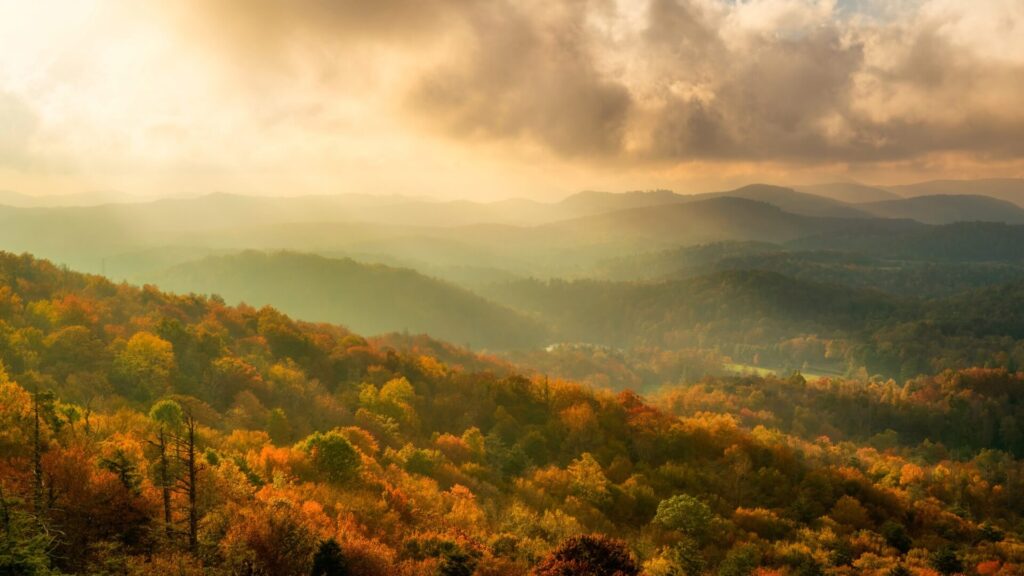
Soils in North Carolina range dramatically—from sandy soils near the coast, to clay-heavy soils in the Piedmont, to rocky mountain ground. A soil test (offered through your local NC Cooperative Extension office) will tell you what nutrients are present and which amendments may be needed.
Healthy soil is the foundation of both a productive forest and a thriving lawn or garden. By knowing what you’re working with, you’ll save money on unnecessary fertilizers and give your plants the best chance to succeed.
Mulch does more than make a landscape look neat—it conserves moisture, regulates soil temperature, and reduces weeds. Pine straw mulch is especially popular in North Carolina and has a direct tie to forestry, as it’s a renewable product from our pine forests.
Apply mulch in the fall and winter months to protect soil during dormancy and to prepare beds for the fast onset of spring growth.
If you’re growing a lawn, warm-season grasses like Bermuda, Zoysia, and Centipede are excellent for the region. Once established, they’re drought-tolerant and require less maintenance than cool-season varieties.
Regular mowing and careful fertilization keep them healthy, but remember—a lawn is an artificial ecosystem. Balancing turf with native trees and shrubs helps mimic the natural diversity found in managed forests.
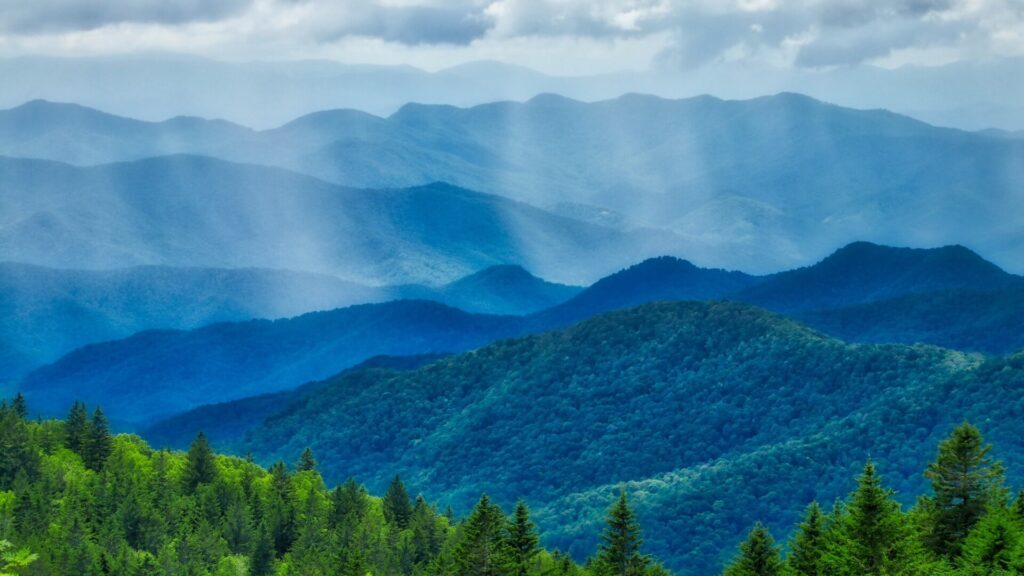
North Carolina’s forests are home to abundant wildlife, and some of that wildlife (like deer) will happily wander into your backyard. Since repellents only work temporarily, the best defense is planting deer-resistant species such as inkberry, yews, or loropetalum.
This same principle is used in forestry: managing vegetation with wildlife pressure in mind ensures a sustainable balance.
Some neighborhoods or municipalities may have landscaping regulations that govern tree removal, fencing, or stormwater drainage. Be sure to check before making major changes.
Beyond regulations, community garden clubs, forestry associations, and even county extension offices are great places to learn more. You’ll gain local insight while building connections with neighbors who share a love for the land.
Every yard in North Carolina is, in some way, an extension of the state’s greater forests. The choices you make at home—whether planting a native tree, mulching with pine straw, or conserving water—mirror the larger forestry practices that keep our forests healthy, productive, and beautiful.
By approaching your landscape with an eye toward forestry principles, you’re not just improving your own property—you’re helping preserve the natural character that makes North Carolina such an attractive place to call home.