
Posted: March 8, 2026 | Industry News
With spring wildfire season underway, much of North Carolina is facing moderate to severe drought conditions. The North Carolina Forest Service is urging residents to use caution and common sense when conducting any outdoor burning, particularly yard debris fires.
Although recent rainfall and winter storms may give the impression that conditions have improved, much of the state remains unusually dry. Agriculture Commissioner Steve Troxler emphasized that drought conditions allow wildfires to ignite more easily, burn more intensely, and spread more quickly. Prevention, he noted, remains the most effective defense.
Escaped yard debris burns continue to account for nearly half of all wildfires in North Carolina. In fact, human activity is responsible for approximately 99 percent of wildfires statewide. As spring weather draws more people outdoors for yard cleanup, many choose burning as a disposal method for leaves, limbs, and brush.
The problem is not the fire itself but how quickly it can escape. On warm days with gusty winds, a controlled burn can spread beyond its intended boundary in seconds. Fires must never be left unattended, and they should only be considered extinguished once they are completely out and cold to the touch.
Other common causes of human-related wildfires include equipment use, dragging tow chains, arson, and unattended campfires.
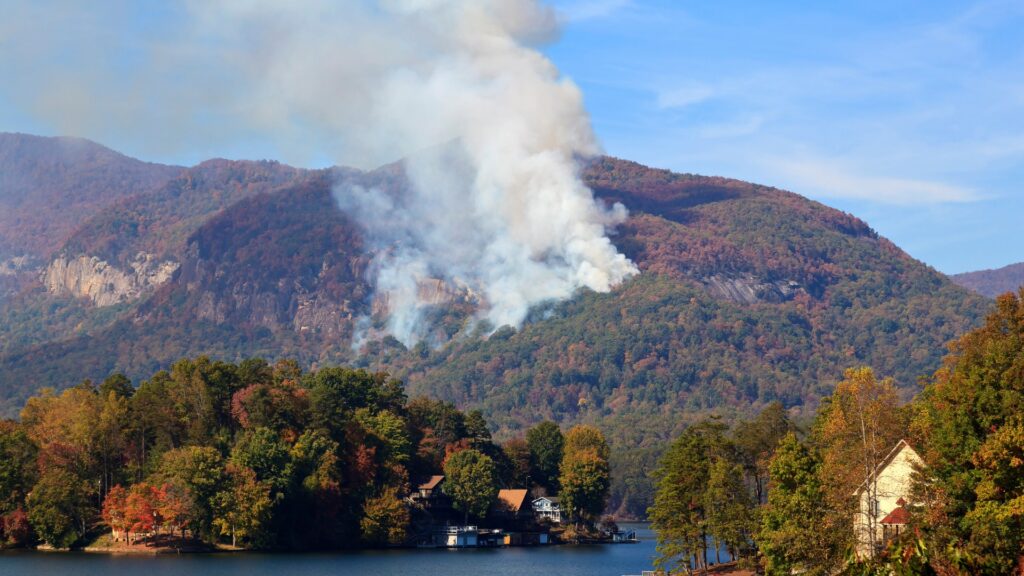
Western counties remain especially vulnerable this season due to forest damage caused by Hurricane Helene. Dead and dying timber has significantly increased fuel loads across portions of the region. When combined with drought conditions, this excess debris creates an environment where fires can intensify rapidly.
For landowners and rural residents, this heightened fuel load underscores the importance of cautious decision-making when considering any outdoor burn.
Before starting an outdoor fire, residents are encouraged to contact their local North Carolina Forest Service county ranger’s office. A valid burn permit is required and can be obtained at a Forest Service office, through authorized agents, or online.
The North Carolina Forest Service recommends the following best practices:
These precautions apply equally to campfires and charcoal grills. Burning coals should be thoroughly doused with water, stirred, and soaked again until no heat remains. If water is unavailable, dirt or sand can be mixed with embers to extinguish them, taking care not to simply bury active heat. Hot ashes should never be dumped into wooded areas.
The public is also reminded not to fly drones near active wildfires. Firefighting aircraft operate at low altitudes to support ground crews, and drones pose a serious hazard to pilots and emergency personnel. Interference from drones can ground aircraft, delaying response efforts and increasing risk to firefighters, residents, and property.
Where there is wildfire, there is smoke. Even those not directly threatened by flames may be affected by poor air quality. Smoke can pose serious health risks, especially for children, older adults, active individuals, and people with heart or lung conditions such as asthma.
Residents in high-risk areas are encouraged to monitor air quality conditions and prepare in advance. Reliable resources include AirNow, North Carolina Division of Air Quality, and NC State University air quality tools.
Spring is traditionally one of North Carolina’s most active wildfire seasons. With drought conditions persisting across much of the state, the margin for error is small. Simple decisions — such as delaying a debris burn on a windy afternoon — can prevent costly and dangerous wildfires.
For forest landowners, proactive fuel management and responsible burning practices remain critical to protecting timber value, wildlife habitat, and neighboring communities. Preventing wildfire is always more effective — and far less costly — than fighting one after it starts.