
Posted: November 3, 2025 | Industry News
Economic shifts continue to ripple through North Carolina’s forest products industry. Southern Veneer Specialty Products, a plywood and veneer manufacturer based in Fitzgerald, Georgia, has announced plans to close its Moncure, NC facility on December 5, 2025, resulting in the loss of 130 jobs.
The company cited an ongoing economic downturn and changes in the construction industry as the primary reasons for the closure. In a filing with the North Carolina Department of Commerce, owner Kendall Adams wrote that the plant could no longer maintain “sustainable profitability” due to a slowdown in the broader market.
Located at 306 Corinth Road in Moncure, the facility was previously owned by Boise Cascade Company before being acquired by Southern Veneer in 2019. Since then, the plant has been a key producer of Southern Yellow Pine plywood, veneer, and wood byproducts, supplying materials for homebuilding and other construction projects throughout the Southeast.
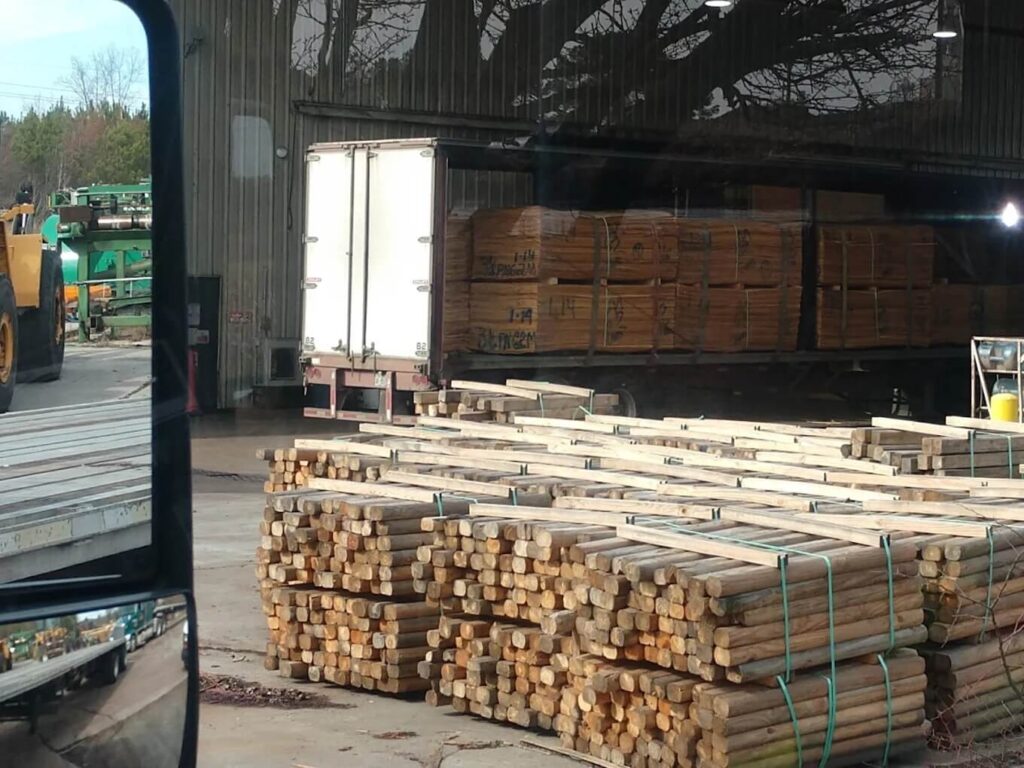
The construction industry has cooled nationwide, particularly in residential housing. Rising interest rates, inflation, and reduced demand for new homes have all played a role in shrinking the market for plywood and related building materials. Southern Veneer’s closure reflects a broader national trend—even companies in Oregon, such as Roseburg Forest Products, have recently shuttered similar operations.
These market conditions are being felt across North Carolina, especially in rural counties where wood product manufacturing remains a key employer. Chatham County, where Moncure is located, has a population just under 85,000 and ranks in the lower half of manufacturing employment compared to surrounding Triangle-area counties.
While the closure represents a setback for local manufacturing and employment, it also underscores the volatility of the forest products sector and the importance of ongoing innovation and diversification. North Carolina’s forestry industry continues to evolve, balancing traditional lumber production with emerging opportunities in sustainable wood products, biomass energy, and engineered materials.
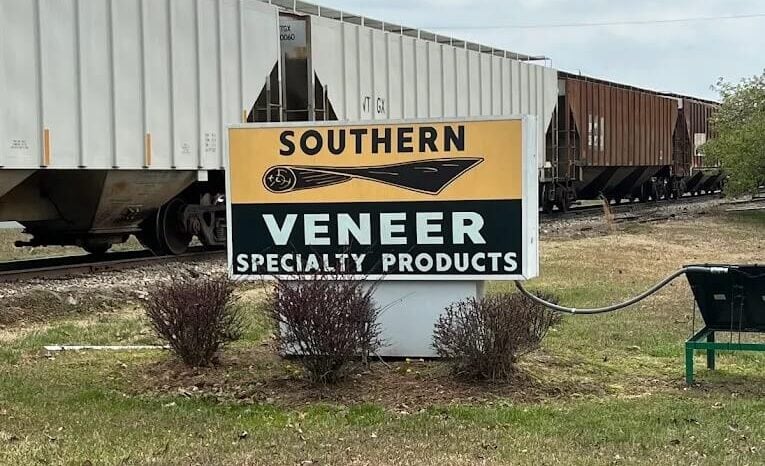
Companies across the state are being challenged to adapt to these changing market conditions. For landowners, foresters, and investors, the closure is a reminder of how economic cycles and consumer trends can directly influence demand for raw forest materials.
At Carolina Forestry & Realty, we continue to monitor these developments to help clients make informed decisions about timberland investments, property management, and market trends that shape the future of forestry in our region.