
Posted: September 21, 2026 | Land Management
Managing Your Land for Deer Season: Food Plots, Habitat & Timing Tips for NC Landowners
North Carolina’s archery deer season opens statewide on September 12, with gun season dates varying by zone, from mid-October in the east to late November in the mountains, and all zones closing January 1. The habitat work that actually pays off, food plots, timber thinning, water access, and stand placement, needs to happen weeks before opening day, not the week of.
If you own timberland or rural acreage in North Carolina, deer season is one of the best reasons to actually walk your property and think about what’s working and what isn’t. Whether you hunt it yourself, lease it out, or just want it to hold value for the next buyer, a little habitat management goes a long way. Here’s what to focus on and when.
Archery season opens statewide on September 12 this year, with a handful of CWD management counties getting an early two-day opener in late August. From there, the calendar splits by zone. Coastal counties move into blackpowder and gun season earliest, sometimes by mid-October, while the western mountain zones stay in archery-only longer and don’t open gun season until late November. Every zone closes on January 1.
Because the zone lines don’t always follow obvious geographic boundaries, the North Carolina Wildlife Resources Commission publishes a full season chart by county each year. If you’re not sure which zone your land falls in, it’s worth a quick check before you finalize any hunting plans or a lease agreement with a hunting club.
The landowners who see the most deer activity aren’t the ones scrambling the week before opening day. They’re doing this work in July and August, sometimes even earlier.
Fall food plots, clover, brassicas, wheat, and oats, need to go in the ground in late August through mid-September in most of North Carolina, depending on elevation and first frost dates. Clover plots benefit from a spring planting too, but a fall plot planted too late just won’t have time to establish before deer start browsing it hard.
A quarter-acre to half-acre plot is plenty for most tracts. What matters more than size is placement: put plots near natural travel corridors, close to thick cover, and away from roads or areas with heavy human traffic.
If you’ve had a recent thinning or harvest, don’t be in a rush to let it grow back unchecked. Cut units and log landings that regenerate naturally often turn into some of the best deer habitat on a property, since they create the mix of browse and edge cover deer prefer over mature closed-canopy timber. Leaving a few brush piles from logging slash near field edges gives deer and turkey low-cost cover at no extra expense.
If your land hasn’t seen any recent forestry work, a light thinning in older pine stands can open the canopy just enough to let browse plants take hold on the forest floor.
A reliable water source within a few hundred yards of your best cover matters more in dry years than most landowners expect. If your property doesn’t have a natural pond or creek, even a small wildlife watering hole can concentrate activity nearby.
Just as important: think about how you’re accessing your stands. Cutting quiet trails that approach from downwind and avoid crossing open food plots or fields keeps you from educating deer before the season even opens.
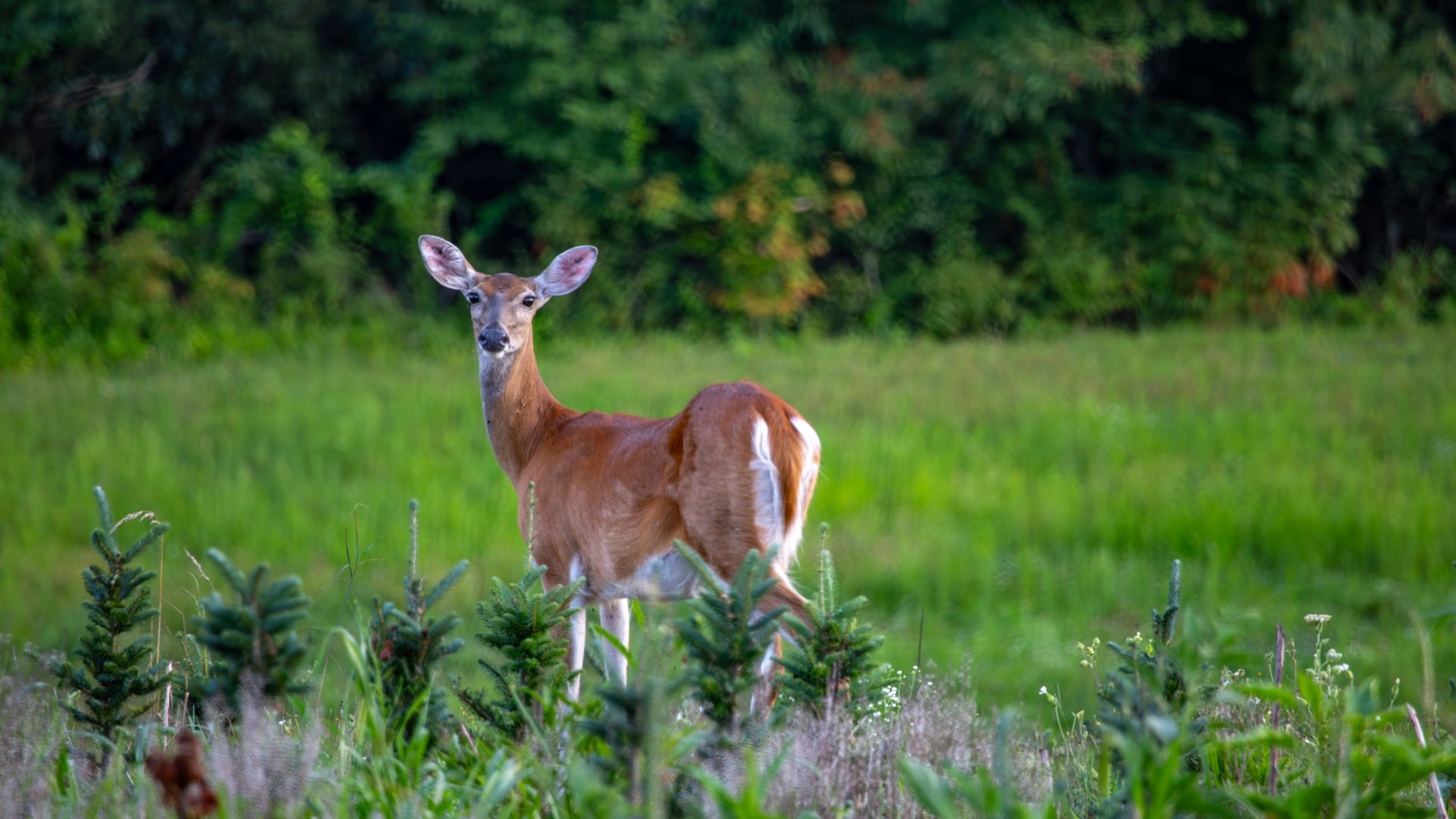
One of the advantages of managing land that’s actively in timber production is that you already have the openings you need. Log landings, right-of-way corridors, and old skid trails make natural food plot locations without clearing anything new. If you’re weighing whether to buy hunting land that’s also managed timberland, this is one of the practical upsides: the forestry work and the wildlife habitat work aren’t competing with each other, they reinforce each other.
Yes, and it’s worth thinking about even if you’re not the one hunting the property. Land with established food plots, good stand locations, and a track record of mature buck sightings or trail camera activity is easier to market, whether you’re selling outright or leasing hunting rights to offset your carrying costs. Buyers shopping for recreational tracts in North Carolina consistently pay attention to habitat quality, not just acreage and access.
If you’re planning to sell in the next year or two, even modest habitat improvements now, a food plot, a cleared stand site, a maintained access trail, can make a real difference in how the property shows.
A quarter-acre to half-acre plot is enough to draw and hold deer on most tracts. What matters more is location: plots tucked near thick cover and away from human activity outperform larger plots in open, exposed areas.
Late August through mid-September is the target window for most of the state, earlier in the mountains where frost comes sooner, later along the coast. Planting too late leaves the plot without enough growth before deer start feeding on it hard.
No. Landowners don’t need a permit to plant food plots or manage habitat on their own property. Baiting rules and other hunting regulations still apply once season opens, so it’s worth reviewing current NCWRC baiting restrictions if you’re unsure where a food plot ends and bait begins.
Yes, as long as the property is legally yours and deer season is open in your zone, you and immediate family living with you can hunt without a license. Everyone else hunting the property still needs a valid license and must follow all season and bag limit rules.
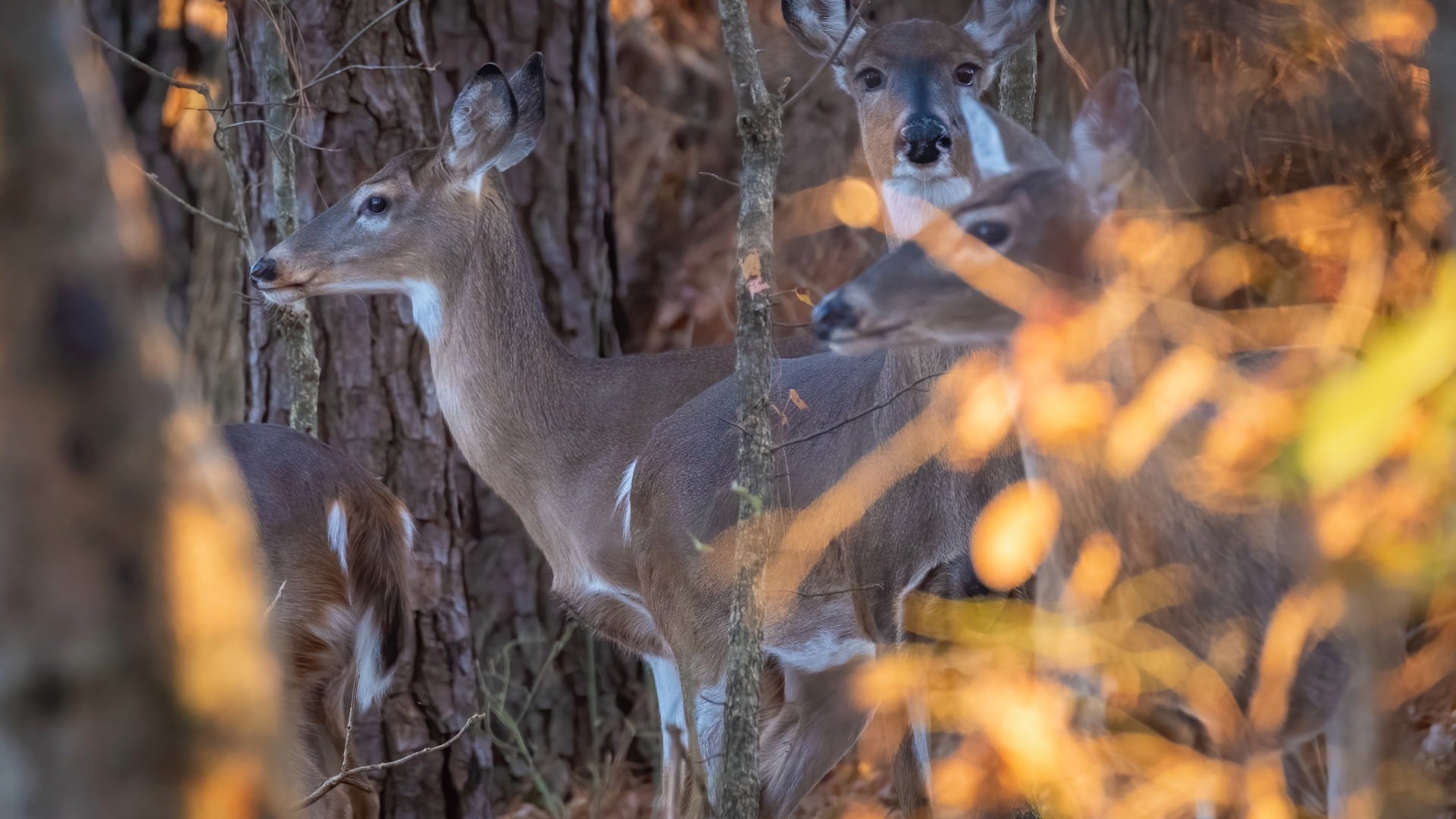
Habitat work and timber management go hand in hand. If you’re weighing a thinning, a timber sale, or just want a second set of eyes on what your land could support, that’s exactly the kind of walk-through our foresters do every week across North Carolina. Reach out to Carolina Forestry & Realty to talk through what your property could look like heading into next season.